

Dell’Oro reports 182% year-over-year revenue growth in Q2 2026 for semiconductors and components used in data-center servers and storage. Why I spread my AI exposure across the infrastructure chain.
My portfolio remains heavily focused on AI and semiconductors. What I find increasingly important, though, is that the AI buildout is becoming broader.
New Dell’Oro data shows that revenue from semiconductors and components used in data-center servers and storage surged 182% year over year in Q2 2026, driven by DRAM, storage and continued AI infrastructure investment. Dell’Oro also points to sharply higher memory prices, so revenue growth should not be read as equivalent growth in unit volumes.
That fits well with what we are seeing across the market. AI doesn't just need GPUs. It needs memory, networking, servers, storage, power and cooling. That's why I deliberately maintain exposure across several parts of the infrastructure chain.
For me, this is currently one of the strongest arguments against the idea that the AI trade is already over. Valuations can fluctuate — the infrastructure buildout continues.
These companies could also benefit from this theme.
TSM fully analyzed
AI score, trend, RSI and valuation at a glance.
Simulate investment
Calculate how an investment would have performed historically.
Discover NextSignal
All stocks with score, trend and AI assessment at a glance.
Related articles
 Strategy
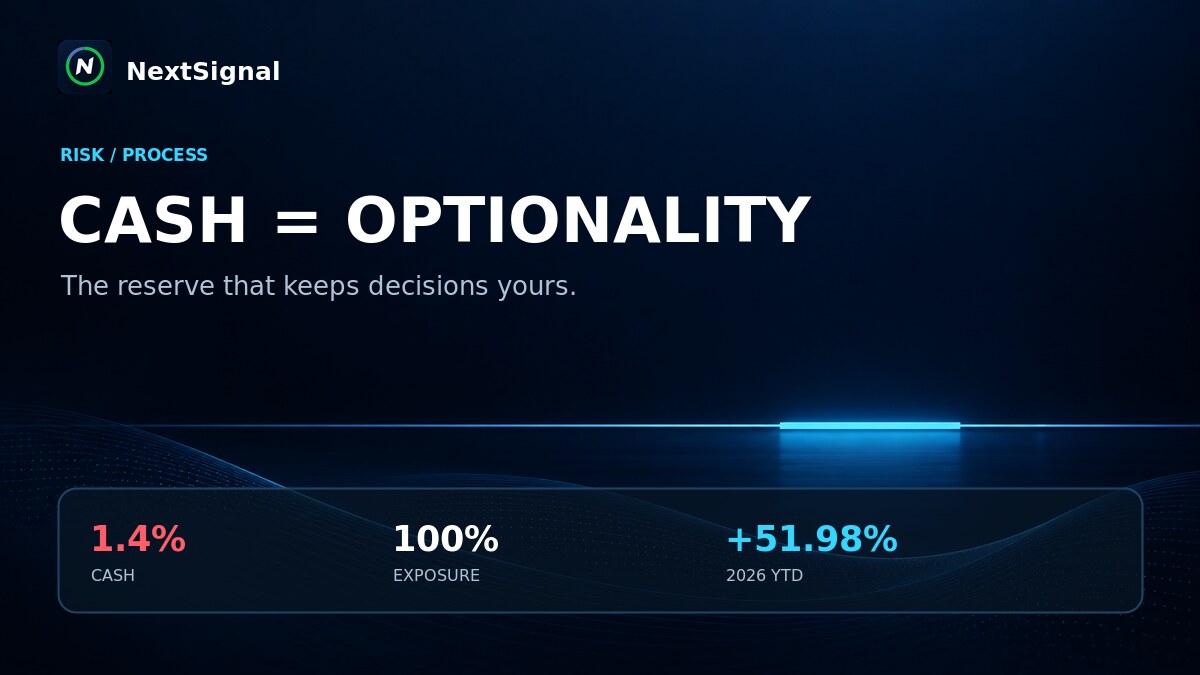
Cash ist keine Prognose: Warum Liquidität Handlungsfreiheit schafft
Das CaptMarvell-Portfolio liegt 2026 bei +51,98 %, hält aber nur rund 1,4 % Cash. Warum Liquidität kein Markt-Timing, sondern ein Prozesswerkzeug ist.
Read article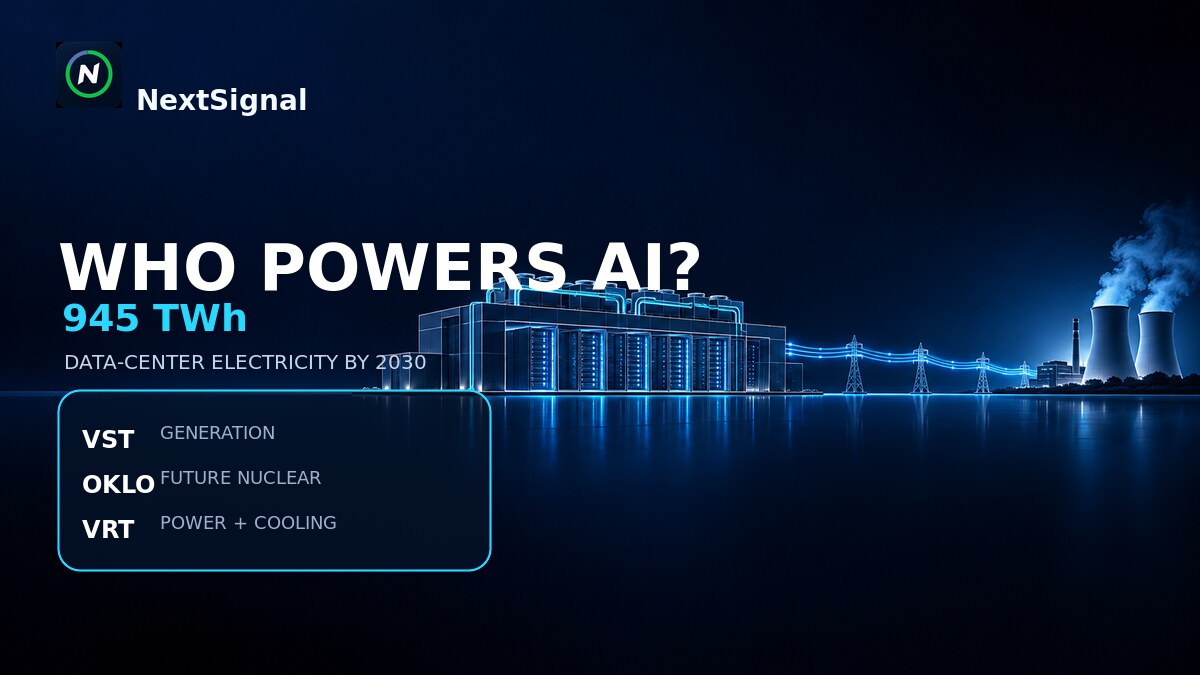 AI & Technology
AI braucht nicht nur Chips: Wer liefert den Strom für den AI-Boom?
Rechenzentren könnten bis 2030 rund 945 TWh Strom verbrauchen. Vistra, Oklo und Vertiv stehen dabei für drei unterschiedliche Ebenen der AI-Energie-Infrastruktur.
Read article Stocks
Broadcom im Fokus: Wenn Strom zum neuen AI-Engpass wird
Morgan Stanley erwartet bis 2028 eine erhebliche Stromlücke bei US-Rechenzentren. Warum Broadcom vergleichsweise gut positioniert sein könnte – und wo das Risiko in der Lieferkette liegt.
Read article